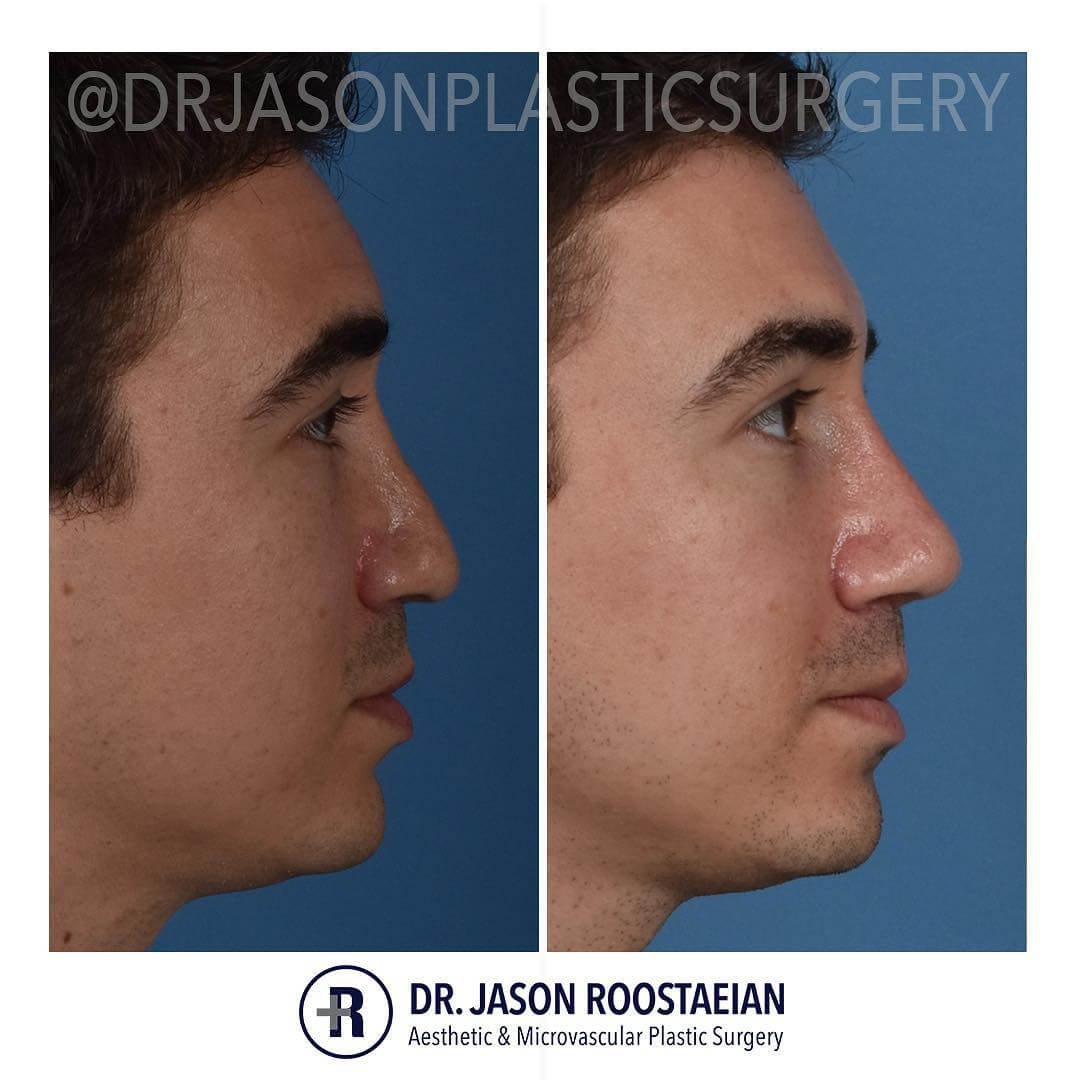
It can be costly to have to make monthly payments for a nosejob. This article will show you several ways to finance the procedure, from medical credit cards to no-interest financing. We'll also discuss nonsurgical nose job options and how you can choose the best surgeon. Here's a quick guide to finding the best option for you. The first step is to find a surgeon that accepts medical credit cards. These cards will be accepted by your surgeon as payment options.
Payments for nose job with credit card
Are you interested to apply for credit cards for your nose job CareCredit, a healthcare credit card with affordable monthly payments, is available. This card lets you finance 100% of cosmetic procedures, with no application fees, annual fees, or prepayment penalties. To see if they accept the card, you can either apply online or go to a participating surgeon's office. Once you have been approved, you will receive an immediate decision and can schedule your procedure immediately.
A credit card without an annual fee is another option for paying for a nosejob. These cards offer a fixed amount of rewards for each purchase and some have bonus categories that offer higher rewards rates. Some cards are more lucrative for cosmetic procedures, such as nose job surgery, while others offer lower rewards for spending non-bonus. These cards may have the highest plastic surgery rewards rates, while others might offer lower rewards for prescriptions and purchases at drugstores. Compare the features of each card to find the one that is right for you.
Medical credit cards
Credit cards for plastic surgery are something you've likely heard of. They can be a great way that you can finance your procedure. High interest rates and prepayment penalties are two of the drawbacks to plastic surgery credit cards. Some medical credit cards come with a high annual percentage rate (APR) that could ruin your credit if you pay off the balance early. A second risk is the possibility of card terms and conditions changing without your consent. Before you decide on a card, it is a good idea to compare the benefits.
You should also consider whether you can pay off your debts in full before the procedure. You may be able to pay for the whole amount over time with medical credit cards. The procedure can be paid off in as little as three months. The medical credit card is designed to pay for medical expenses, such as plastic surgery and injectable treatment. While you don't require excellent credit to qualify for the card, you may have to make several payments in order to receive the final amount.
No-intrest financing is available for rhinoplasty.
No-intrest financing is available for a wide variety of cosmetic procedures, from a minor blemish to a full-on surgery. This option allows you to create a payment plan that suits your lifestyle and budget. Your surgeon may request that you pay the full amount of your bill. This can cause credit problems and could lead to your surgeon sending your account to collections. Missed or late payments also hurt your relationship with your surgeon and may affect your future plans.
Although a nose job may seem expensive, there are options to obtain no-interest financing. Certain procedures such as a deviation septum may be covered by insurance. But, not all cosmetic procedures. To discuss your eligibility, contact your insurance company. Most cosmetic procedures are not covered under insurance. This means that you might need to borrow money to pay for the procedure. You may also be offered payment options that allow you to spread the cost over time.

Cost of nonsurgical nose jobs
Both surgical and non-surgical nose jobs offer their benefits and drawbacks. The cost of a non-surgical job varies from one doctor to another, but costs are generally higher in large metropolitan areas. The type of rhinoplasty, as well as whether or not revisions were required, will impact the cost of the surgeon's fee. Rhinoplasty is more complicated and less surgeons perform it.
While most insurance plans won't cover cosmetic procedures, some may pay for rhinoplasty as a necessary procedure or because of a functional issue. Insurance may not cover non-surgical nose job unless you have deviated septum. Luckily, some plastic surgeons offer monthly payment plans for patients. If you're concerned about the cost, you should find out whether your health insurance covers the procedure.